




loading count
loading pagination
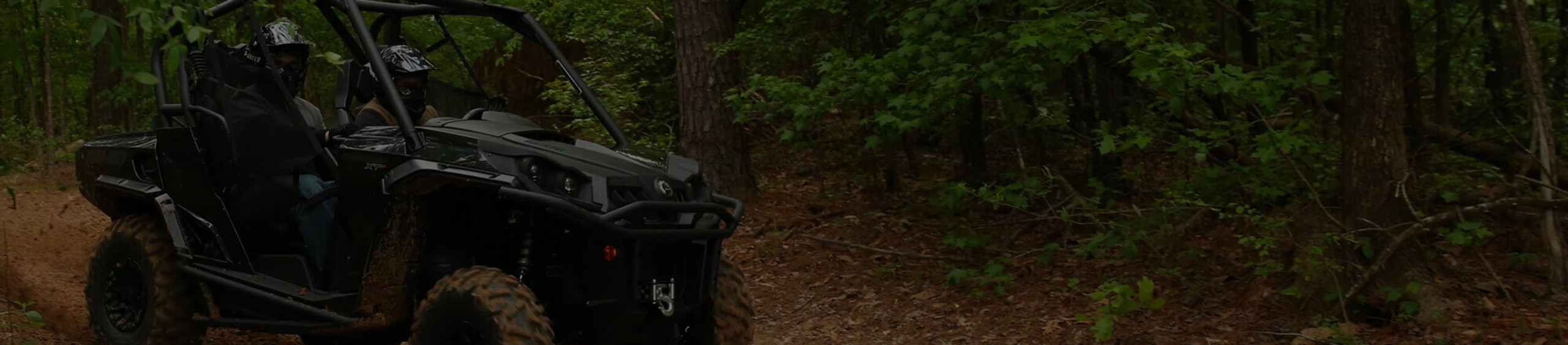
Your Kawasaki Teryx H2 brings turbocharged performance to the dual-purpose UTV world, delivering power that transforms both work and recreational applications while maintaining the reliability that Kawasaki machines are famous for - and that includes staying comfortable when winter weather tries to limit your ability to use all that impressive capability.
When you've got a machine that delivers this level of performance across diverse applications, aftermarket Kawasaki Teryx H2 heaters become essential for maintaining year-round productivity and adventure opportunities instead of letting cold weather shut down operations until spring arrives.
Teryx H2 heaters enable year-round utilization of this machine's turbocharged capabilities by maintaining operator comfort and performance when cold conditions would otherwise compromise the ability to fully exploit enhanced power and capability in demanding applications. When you're using serious power for challenging work or aggressive recreational riding, operator impairment from cold exposure affects decision quality and reaction time in ways that can turn enhanced capability into dangerous situations.
Professional operations that justify H2 capability often involve time-sensitive work where weather delays cost serious money and affect project schedules that depend on consistent equipment availability. Agricultural applications requiring enhanced power for challenging terrain and heavy loads need operators who remain effective during demanding conditions that test both machine and operator capability. Recreational applications that exploit the H2's performance potential require alertness and reflexes that cold weather can compromise during critical moments.
Turbocharged performance creates enhanced heating requirements because of increased operational demands, extended capability utilization, and the need for systems that match the H2's elevated performance standards in all operating conditions. Professional-grade heating systems provide rapid response and consistent performance that matches the quick throttle response and enhanced capability that characterize H2 operation.
Advanced heating installations often integrate with enhanced electrical systems and climate control equipment that complement the H2's upgraded performance capabilities. Quality heating components handle the increased vibration and dynamic forces that turbocharged operation creates while maintaining the reliability that demanding applications require from equipment that works hard under enhanced performance conditions.
Understanding how enhanced performance affects your typical applications helps you choose heating systems that complement rather than limit the H2's impressive capabilities. Enhanced work applications often involve increased operational intensity and extended capability utilization that create greater demands on operator comfort and performance maintenance systems.
Aggressive recreational use that exploits turbocharged power requires heating that maintains peak operator performance without creating distractions or limitations that compromise the ability to safely utilize enhanced capability. Professional guide operations and commercial applications that justify H2 investment need heating systems that maintain client and operator comfort during demanding conditions that fully utilize enhanced machine capability.
Bartact engineers heating systems with the performance focus and reliability that turbocharged applications demand from accessories that match enhanced machine capability.
Green Mountain develops advanced UTV heating solutions that provide the consistent performance and durability that H2 applications require from climate control systems.
RoadPro creates professional-grade heating equipment that delivers the reliability and performance that enhanced capability machines demand from supporting accessories.
This Kawasaki Teryx/Mule Seat Heater Kit by Bartact provides advanced individual comfort control that maintains peak operator performance during demanding H2 applications.
The Kawasaki Mule/Teryx 12V UTV Cab Heater by Green Mountain delivers comprehensive workspace heating that matches the H2's enhanced performance capabilities and demanding applications.
This Kawasaki Mule/Teryx 12-Volt Direct Hook-Up Ceramic Heater Fan by RoadPro provides professional-grade ceramic heating that delivers consistent performance during enhanced capability utilization.
The Kawasaki UTV Heater 12V with Swivel Base by RoadPro offers precision directional heating that focuses warmth exactly where turbocharged performance applications demand maximum effectiveness.
This Kawasaki Teryx/Mule UTV Seat Heater Kit by Moose delivers heavy-duty seat warming engineered to handle the enhanced demands that turbocharged performance creates.
Do heating systems affect the H2's turbocharged performance or electrical system?
Quality heating systems designed for enhanced performance applications integrate with the H2's electrical system without compromising turbocharged capability or enhanced performance features. Choose heating systems that complement rather than compete with the H2's enhanced electrical and performance requirements.
Can standard UTV heating handle the enhanced demands of H2 applications?
Enhanced performance often creates increased operational demands that benefit from heating systems designed for demanding applications rather than basic comfort accessories. Consider heating systems that match the H2's performance capabilities and demanding use patterns rather than settling for minimal heating that doesn't complement enhanced machine capability.
How do heating requirements change with turbocharged performance utilization?
Enhanced performance utilization often involves increased operational intensity and extended capability demands that create greater requirements for operator comfort and performance maintenance. Consider comprehensive heating solutions that maintain peak operator effectiveness during demanding conditions that fully exploit the H2's enhanced capabilities.